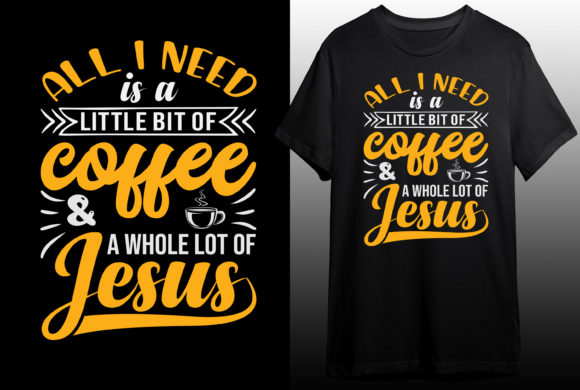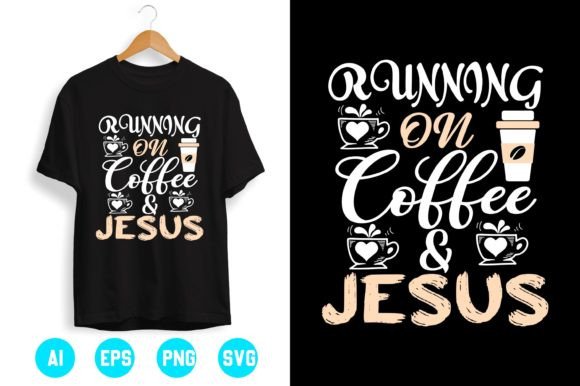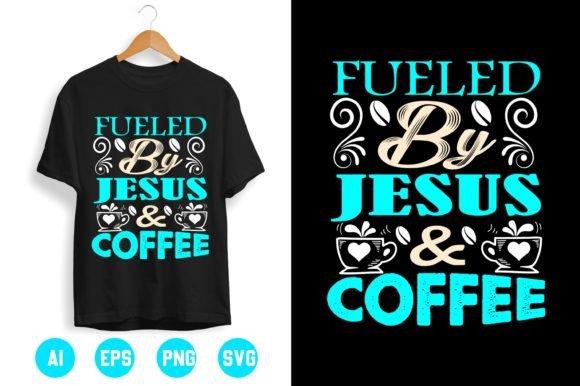
Coffee T-shirt Design 17: An Embroidery Design Review
When I first opened Coffee T-shirt Design 17, I immediately recognized its appeal for anyone working with custom apparel or handmade products. The design carries a relaxed, approachable mood that fits well with cafe culture, morning routines, and cozy lifestyle branding. The layout feels balanced without being stiff, and the visual personality leans toward friendly and inviting rather than overly polished or corporate. For an embroidery designer or small shop owner looking for a design that resonates with everyday customers, this one has immediate potential.
First Impressions and Visual Personality
The design has a hand-drawn quality that translates well into embroidery. The lines are clean enough for satin stitch work but retain enough character to feel personal. That balance is important when you are creating products for a craft business or an Etsy shop. Customers respond to designs that look thoughtful but not machine-made. Coffee T-shirt Design 17 sits nicely in that space. It does not try too hard, and that restraint actually makes it more versatile across different product categories.
The theme itself is timeless. Coffee imagery has broad appeal, and this design avoids trendy elements that might date quickly. Whether you are stitching it onto a sweatshirt embroidery project or a simple tote bag design, it holds its visual weight without overwhelming the item. That is a good sign for anyone planning to use it across multiple product types.
Real Project Use: Building a Custom Tote for a Local Coffee Shop
I recently took on a small order for a local coffee shop that wanted embroidered tote bags for their regulars. They wanted something understated but recognizable. Coffee T-shirt Design 17 fit the brief perfectly. I tested it on a medium-weight canvas tote using a mid-size hoop, and the stitch out was clean from the start. The fill stitch areas sat evenly, and the satin stitch details held their shape without puckering.
The shop owner loved how the design looked against the natural fabric color. We used a warm brown thread that matched their branding, and the design read clearly even from a few feet away. For a handmade product intended for daily use, that kind of stitching clarity matters. It also meant I could offer the same design on matching aprons and cap embroidery options for their staff. That is the kind of versatility that turns a single embroidery file into a full product line.
Performance Across Different Products
Coffee T-shirt Design 171 works well on a range of items, but its strength really shows on medium to large surfaces. I have tested it on custom apparel like sweatshirts and t-shirts, and the stitch density feels appropriate for those fabrics. It does not distort on knit fabrics when proper stabilizer is used, and the design holds up after washing. That is a critical factor for anyone selling finished items or personalized gifts to customers who expect durability.
On tote bags and aprons, the design maintains its presence. The layout does not get lost in larger spaces, but it also does not dominate the item. For baby embroidery projects, I would recommend scaling it down carefully. The details are clear enough at smaller sizes, but you should test it first on a scrap piece of fabric to confirm clarity before stitching a final product.
For embroidered patches, this design is a strong candidate. The shapes are defined enough to cut cleanly around the edges, and the stitch density supports a patch backing without buckling. If you sell patches for craft fairs or Etsy listings, Coffee T-shirt Design 17 could become a repeat seller.
Where To Use This Design With Care
No design works everywhere, and it is honest to point out where Coffee T-shirt Design 17 needs extra attention. On small hoop sizes, especially anything under four inches, the smaller details may lose definition. If you are working with caps or curved surfaces, the layout might need repositioning to sit properly on the crown. I recommend testing it in the center of a cap panel first rather than the side, where the curvature can distort the stitching.
On textured fabrics like heavy fleece or thick blanket material, the fill stitch areas can sink into the fabric and appear less crisp. A cutaway stabilizer and a topping layer help, but you should always stitch a sample first. The same caution applies to stretchy fabrics. Without proper stabilization, the design can pull the fabric out of shape, especially if the stitch density is concentrated in certain areas.
Dark fabrics also require attention. If the thread colors in the design are not clearly specified, you may need to adjust the palette to ensure contrast. A design that reads well on a light background can lose all its charm on a dark one. Always review the embroidery file against the actual fabric color before committing to production.
Impact on Product Value and Customer Trust
A well-stitched design elevates any handmade product. When Coffee T-shirt Design 17 is executed cleanly, it adds a professional finish that customers notice. That translates into higher perceived value and stronger buyer engagement. People are more willing to pay for a personalized gift or boutique product when the embroidery looks intentional and well-crafted.
For small shop owners and Etsy sellers, consistency matters. If you offer this design on multiple items, the visual coherence builds brand recognition. Customers start associating that particular coffee motif with your shop. That kind of recognition does not happen with generic clip art or poorly digitized designs. Coffee T-shirt Design 17 has enough personality to become a signature element in your product lineup.
On the other hand, if the stitching is rushed or the fabric choice is wrong, the same design can look sloppy. That hurts customer trust and makes your finished product seem amateurish. Taking the time to test and adjust is not optional if you are serious about selling commercial embroidery or handmade goods.
Practical Designer Notes Before You Stitch
Before you load this design into your machine, here are a few things I always check with any new embroidery file. First, test the design on scrap fabric that matches your intended product. This lets you see how the thread colors interact with the fabric texture and background color. It also gives you a chance to inspect stitch density. If the design feels too dense in certain areas, you may need to adjust your stabilizer choice or slow down your machine speed.
Check the hoop size against the design dimensions. If the design is larger than your hoop, you will need to resize it, and resizing can affect stitch clarity. Also review the design in black and white mockups to confirm that the contrast works. Sometimes a design looks great in color but loses its shape when viewed without color cues.
Thread color contrast is another area I pay attention to. If the design uses similar shades in adjacent areas, the stitching can blur together from a distance. This is especially important for small items like baby embroidery or hat embroidery where the design area is limited.
Finally, confirm the licensing terms before you sell any finished items or digital products. If you are using Coffee T-shirt Design 17 for commercial embroidery, make sure your license covers that use. The same applies if you plan to sell printable mockups or design assets that include this embroidery file. Respecting licensing protects your business and supports the original digitizer.
Who This Design Works Best For
I see Coffee T-shirt Design 17 fitting naturally into several types of businesses. Etsy sellers who focus on personalized gifts will find it easy to adapt for custom orders. Crafters who make handmade products for local markets can use it to create a consistent product line. Small shop owners looking for branded merchandise will appreciate how the design translates across apparel and accessories.
Apparel decorators and commercial embroidery professionals can also add this design to their library for quick turnaround projects. Because it stitches cleanly and does not require constant adjustment, it saves time during production runs. That efficiency matters when you are fulfilling multiple orders.
Hobbyists and makers who create gifts for friends and family will enjoy working with this design as well. It is not overly complex, so it is approachable for intermediate machine embroidery users, but it still looks polished enough to impress recipients.
Final Thoughts Before You Commit
Coffee T-shirt Design 17 is a solid choice for anyone working with machine embroidery designs in a real project setting. It offers visual appeal without being fussy, and it holds up across a reasonable range of products. That kind of versatility makes it a practical addition to your embroidery file collection.
Take the time to test it on your specific fabric and hoop setup. Check the thread colors against your fabric background. Confirm your licensing. And once you have those details sorted, this design can become a reliable workhorse in your craft business or handmade shop. Customers will respond to its friendly personality, and you will appreciate how consistently it stitches out. That is the kind of design worth keeping ready in your digital embroidery file library.