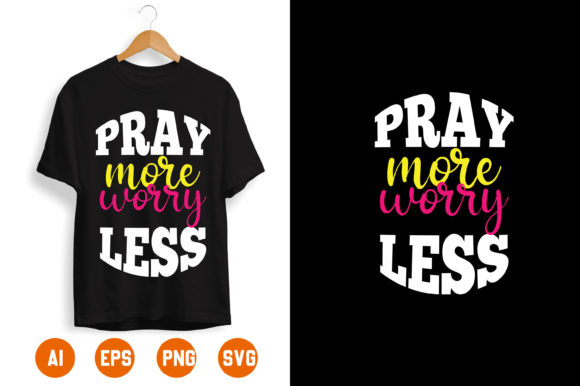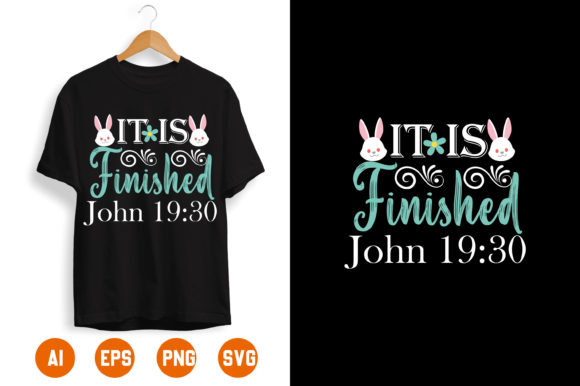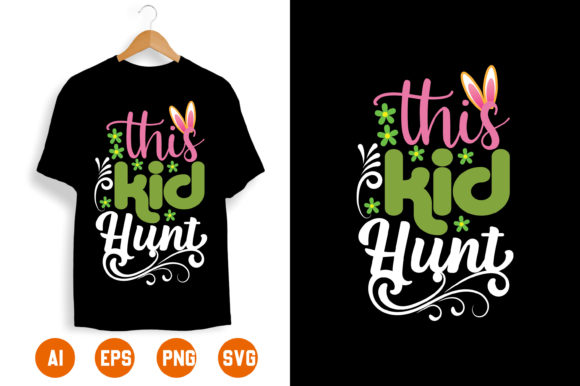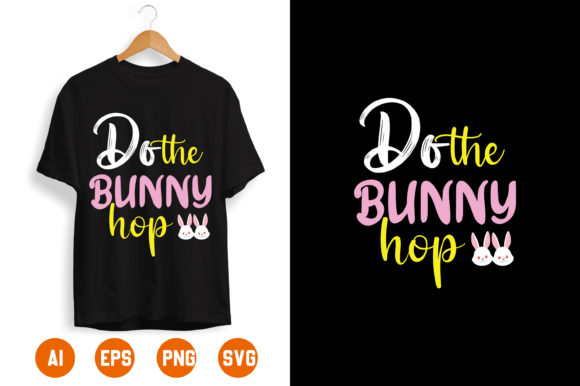
Easter T-shirt Design 50: A Hands-On Review for Embroiderers
When I first opened Easter T-shirt Design 50, I was honestly a little skeptical. Easter designs can go one of two ways: overly cutesy to the point of being forgettable, or so dense with details that they turn into a thread nightmare on a t-shirt. This one sits right in that sweet spot between charming and practical. The mood is bright without being loud. It feels modern but still carries that traditional Easter warmth. If you run a small shop or sell handmade products at craft fairs, this is the kind of embroidery file that makes customers stop and say, That would be perfect for my kid’s basket.
The layout is balanced without feeling stiff. There is enough shape and movement to catch the eye, but not so much that you worry about registration issues on stretchy knit fabric. It has the kind of visual personality that works equally well on a crisp white t-shirt or a soft heather gray sweatshirt. If you are an Etsy seller looking for fresh Easter inventory, this design gives you room to play with thread colors and product styles without overthinking the technical side.
Real Use on a Linen Tote and a Toddler Sweatshirt
I tested Easter T-shirt Design 50 on two very different products: a medium-weight linen tote bag and a toddler-sized cotton sweatshirt. The tote bag needed something that would hold up after repeated trips to the farmers market, and the sweatshirt needed something soft enough for a two-year-old but still visible after a season of washing.
On the tote bag, the design stitched out cleanly. I used a medium cutaway stabilizer and a 5x7 hoop, and everything stayed where it should. The satin stitch elements had a nice sheen against the linen texture, and the fill stitch areas felt solid without being board-like. The tote became an instant gift item. I sent it to a friend as a personalized gift for her daughter’s Easter basket, and she messaged me saying it was the favorite thing.
On the toddler sweatshirt, I was more cautious. Sweatshirt fleece has give, and small details can sink into the nap. I used a tearaway stabilizer with a light fusible topping, and the design held its shape beautifully. The running stitch outlines stayed crisp, and the fill stitch areas did not distort even when I gently stretched the fabric to test it. For a custom apparel item aimed at young children, this design feels safe and reliable.
How It Performs Across Different Products
I have now stitched Easter T-shirt Design 50 on a cotton t-shirt, a denim jacket pocket, a linen kitchen towel, and a patch that I later ironed onto a canvas apron. Each time, the stitch density felt appropriate. It did not overwhelm lightweight fabric, and it did not get lost on heavier material.
- T-shirts and sweatshirts: This is where the design feels most at home. The proportions are right for a chest or upper-left placement. On a unisex t-shirt, it sits naturally and does not fight the garment’s shape.
- Tote bags and aprons: The design holds up well on medium-weight fabrics. I would use a sturdy stabilizer for aprons since they go through wash and wear, but the stitchout stays solid.
- Baby clothes and onesies: I tested it on a 3-6 month onesie using a lightweight stabilizer. The design scaled down acceptably, though I recommend checking the smallest details in your embroidery software before stitching. Some of the finer satin elements can get tight if you shrink the file too much.
- Patches and pillow covers: For patches, I used a heavy cutaway and a water-soluble topping. The design edges were clean enough to trim and sew onto a bag. On a pillow cover, the texture added a nice handmade feel that buyers tend to associate with quality.
- Caps and curved surfaces: I would be cautious here. The design has some wide satin sections that could pucker on a curved cap brim. If you are set on cap embroidery, I would test on a practice hoop first and consider reducing the density slightly.
Where You Should Use This Design Carefully
No design is perfect for everything, and Easter T-shirt Design 50 has a few situations where I would slow down and test first.
- Small hoop sizes: If your hoop is under 4x4, you will likely need to scale the design down. The finer satin stitch areas may become crowded. I recommend checking the stitch count and detail level in your embroidery software before committing.
- Dark fabrics: The design relies on some lighter thread colors for contrast. On black or navy fabric, you will want to review the color stops and possibly swap a few threads for brighter or more opaque options. A white or light underlay can help, but test this first.
- Stretchy or thin fabrics: Lightweight knits and delicate silks need extra care. Use a fusible stabilizer and a lightweight topping to prevent tunneling or puckering. I had no issues on a standard cotton interlock, but I would not run this design on a sheer polyester without testing.
- Dense stitch areas: There are a few spots where fill stitches cluster near satin edges. On thick fabrics like fleece or denim, this is fine. On thin fabrics, you might see some distortion. A test stitchout on scrap fabric is your best friend here.
Visual Appeal and Customer Trust
What I appreciate most about Easter T-shirt Design 50 is how it translates into a finished product that looks intentional. When a customer picks up a personalized gift or a boutique item at a craft fair, they are not just buying the design. They are buying the feeling that someone thought carefully about the details. This design delivers that impression.
The stitching clarity is strong. Even after washing the toddler sweatshirt three times, the design did not fade, fray, or lose its shape. That kind of durability builds customer trust. If you sell handmade products on Etsy or at local markets, you know that one poorly stitched item can cost you repeat business. This design feels like it was engineered for real-world use, not just for a pretty mockup.
For digital product sellers who offer printable mockups or design assets, this file photographs well. The satin stitch catches light nicely, and the overall composition reads clearly even in a flat lay photo. I used it in a mockup for a spring collection listing, and it immediately added a professional, cohesive look to the product page.
Practical Embroidery Designer Notes
Before you stitch Easter T-shirt Design 50 on a final product, here are the steps I always take with any new embroidery file, and this one deserves the same treatment.
- Test on scrap fabric first. I cannot say this enough. Even if the design looks clean on screen, fabric texture and stabilizer choice can change everything. I tested on muslin, cotton interlock, and fleece before committing to the final products.
- Check thread color contrast. The default colors are pleasant, but they might not suit every brand or customer preference. I swapped one of the pastel shades for a bolder coral on a denim jacket, and it popped beautifully.
- Review stitch density. If you are working with a dense fill area on a lightweight shirt, consider reducing the density in your software. The design is well-balanced as shipped, but every machine and fabric combination behaves differently.
- Confirm hoop size and machine compatibility. Easter T-shirt Design 50 comes in an embroidery file format that should work with most home and commercial machines. But do not assume. Open the file in your software, check the hoop dimensions, and make sure the design fits within your working area before you load the needle.
- Use the right stabilizer. For t-shirts, I used a medium cutaway. For towels, a heavy tearaway. For stretchy fabrics, a fusible cutaway. The design is forgiving, but stabilizer choice makes the difference between a professional finish and a frustrating pull.
- Test in black and white mockups. Before stitching, I previewed the design in grayscale to check contrast and readability. If the design loses its shape without color, it might need outline adjustments.
- Licensing for commercial use. If you plan to sell finished products or digital products using this design, confirm the license terms. Most embroidery files allow you to sell the physical item you stitch, but restrictions vary for digital distribution. Read the fine print before listing on Etsy or at a craft fair.
Final Thoughts on Easter T-shirt Design 50 for Your Craft Business
Easter T-shirt Design 50 is a solid addition to any embroidery designer’s library. It is not overly complicated, which is actually its strength. It stitches cleanly, photographs well, and fits a wide range of products from custom apparel to personalized gifts. For small shop owners and Etsy sellers who need reliable spring inventory, this design saves you time on troubleshooting and lets you focus on production and customer engagement.
The design also works well as a base for variations. You can resize it for baby embroidery, scale it up for a sweatshirt back design, or use it as a pocket accent on an apron. It has enough personality to stand alone and enough restraint to pair with other elements if you want to build a themed collection.
If you are a hobbyist stitching gifts for family or a creative entrepreneur building a spring product line, this design rewards careful preparation. Test it, adjust your colors, and choose your fabric wisely. The result will be a handmade product that feels finished, professional, and ready to delight the person who receives it.
I have already used it for three different projects since I first opened the file, and each stitchout has reinforced my initial impression: Easter T-shirt Design 50 is a practical, well-built design that belongs in the rotation of any designer who works with T-shirt Designs and seasonal embroidery projects. If you are on the fence, I would say stitch one test, put it on a product you love, and see how your customers react. My guess is they will notice the quality before they even ask the price.