Bless the Mess: An Embroidery Designer’s Real-World Test
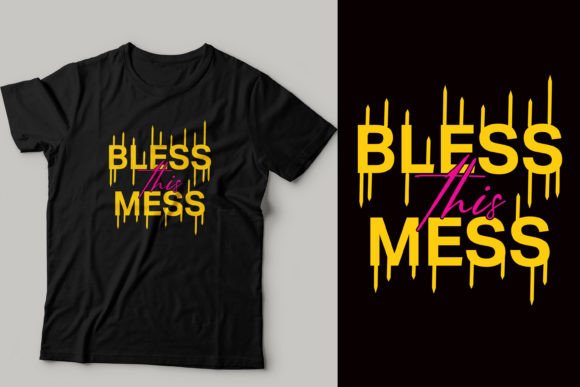
Bless the Mess lands somewhere between a gentle reminder and a bold statement. It doesn’t shout. It sits comfortably on the fabric, confident in its own imperfection. That hand-drawn quality, the slightly uneven spacing, the organic feel of the letters—it all adds up to a design that feels personal rather than mass-produced. For anyone running a small shop or selling handmade products, that kind of personality is gold. Customers respond to work that looks like someone actually made it, not something that rolled off a factory line.
I started stitching Bless the Mess on a medium-weight tote bag made of natural cotton. The fabric had a bit of texture but nothing extreme. I wanted to see how the design would hold up on a product that sees daily use. Tote bags are forgiving, but they also get tossed around, washed, and stuffed with groceries. If a design can survive that kind of life, it’s worth recommending to clients. The first thing I noticed during the test stitch was the stitch density. It felt balanced. Not too heavy, not too sparse. The fill stitches filled the letters cleanly without creating a stiff, board-like feel. That matters when you’re stitching on a tote bag or a sweatshirt, where you want the fabric to still drape naturally. Dense embroidery can make a garment rigid and uncomfortable. Bless the Mess avoids that problem. The satin stitch outlines add clarity without overwhelming the interior fill. It’s a smart approach that keeps the design readable from a distance while still holding up to close inspection.
Where Bless the Mess Performs Best
Bless the Mess shines on medium to large hoop sizes. The layout needs room to breathe. On a 4x4 hoop, it might feel cramped, especially if the design includes decorative accents or flourishes. I tested it in a 5x7 hoop on a sweatshirt, and it landed beautifully. The spacing between letters gave the eye room to rest, and the overall shape felt balanced on the front left chest area. For a tote bag, I centered it below the handles, and it looked natural, not forced. On baby clothes, Bless the Mess works if you scale it carefully. Baby onesies and bodysuits have limited real estate, and the fabric is often soft and stretchy. I would recommend testing it on a stabilizer that can handle stretch. A tear-away stabilizer might not cut it here. Go with a cut-away or a no-show mesh to keep the stitches from puckering when the fabric stretches.
Stitch Density and Fabric Compatibility
The running stitch details in Bless the Mess add a nice hand-drawn feel, but they also require a stable fabric base. On lightweight fabrics like a thin cotton t-shirt, the stitches can pull if the stabilizer isn’t right. I tested it on a standard t-shirt weight fabric with a medium cut-away stabilizer, and it held well. The satin stitch edges stayed clean, and the fill stitches didn’t distort. For stretchy fabrics like jersey or interlock, you’ll want to hoop with a fusible stabilizer to keep everything in place. The design is forgiving, but it’s not magic. A proper stabilizer choice makes the difference between a professional finished product and a puckered mess.
Caps and Curved Surfaces: Test First
For caps and curved surfaces, I’d proceed with caution. The design is not a dense, solid block, but it does have enough stitch count to require careful hooping and stabilization on a cap. If you’re stitching on a curved surface, test the design on a scrap cap first. Check how the letters sit on the curve. Sometimes lettering can look distorted when stretched across the front of a cap. Bless the Mess holds its shape reasonably well, but I wouldn’t recommend it for a curved surface without testing first. The same goes for small hoop sizes. If you’re working with a 4x4 hoop and the design barely fits, the lettering can lose its character. The charm of Bless the Mess comes from the organic spacing and slight imperfections. Squeezing it into a tiny area takes away that appeal.
Dark Fabric and Thread Color Choices
On dark fabrics, the design needs high-contrast thread colors. I tested it on a black sweatshirt with a bright white thread, and it popped beautifully. The open areas in the letters let the fabric show through, which created a nice interplay between the embroidery and the background. On lighter fabrics, the same design felt softer and more understated. If you’re selling to customers who want a subtle look, light thread on a light fabric works. But for maximum impact, go high contrast. I also tried a metallic thread on a dark cotton apron, and the effect was striking. The slight shimmer added a premium feel that would work well for boutique items or holiday gifts. Just make sure your machine handles metallic thread smoothly before stitching a final product.
Product Value and Customer Trust
Bless the Mess adds a layer of authenticity to any product. It looks like something a small business owner would create, not something pulled from a generic design pack. That handmade quality translates directly to customer trust. When someone buys a personalized gift or a custom apparel item with this design, they feel like they’re getting something unique. The slight irregularities in the lettering become features, not flaws. They tell a story of hands-on craft. For Etsy sellers, that’s a huge advantage. The market is flooded with digitized designs that look too perfect, too clean, too robotic. Bless the Mess breaks that mold. It has a personality that photographs well, both in product photos and in printable mockups. I tested it in a black and white mockup first to see how the contrast would read, and even without color, the design held its shape and meaning. That’s a good sign for anyone creating digital product previews or listing photos.
Giftability and Year-Round Appeal
Giftability is another strong point. This design works for Mother’s Day, housewarming gifts, kitchen-themed presents, or just a fun personal accessory. It’s not tied to a specific holiday, which means you can stock it year-round. I can see it on a pillow cover, a tea towel, a blanket, or a nursery decor piece. The phrase has a warm, forgiving tone that resonates with people who embrace imperfection. That’s a universal sentiment. If you’re a craft business owner looking to expand your product line, Bless the Mess offers versatility. You can stitch it on a T-Shirt Designs product for a casual look, or dress it up on an apron with a contrasting thread color. It adapts to the context.
Practical Embroidery Designer Notes
Before you stitch Bless the Mess on a final product, test it on scrap fabric. Run a sample with the exact thread colors and fabric type you plan to use. Check the stitch density on a small section. Look at the corners of the letters. If they start to pull or distort, you may need to adjust the stabilizer. I also recommend testing it in a black and white mockup to see how the contrast works. Sometimes a design looks great in color but loses clarity in grayscale. Bless the Mess holds up well in both, but it’s always worth confirming. Check the hoop size before you buy. The design needs enough space to breathe. If you’re working with a 4x4 hoop, measure the design dimensions first. If it’s too tight, consider scaling it down, but keep an eye on stitch density. Scaling down a design with satin stitches can make them too thin and fragile.
Licensing and Commercial Use
Also, confirm the thread colors. The design uses a limited palette, which is great for quick production. You can stitch it in a single color or add a second color for accents. I tested it with a metallic thread on one sample, and it added a subtle shine that worked well for a holiday gift. But metallic thread can be finicky, so test it first. Finally, check the licensing before you sell finished products. Bless the Mess is available as a digital embroidery file, and the terms should clearly state whether you can use it for commercial embroidery, handmade products, or digital product resale. Don’t assume. Read the license. If you’re an Etsy seller or a small shop owner, you need to know whether you can use the design on items you sell, or if you need to purchase an extended license. Protect yourself and your business.
The Verdict for Crafters and Small Shops
Bless the Mess is a well-crafted embroidery design that brings warmth, personality, and practicality to a variety of projects. It performs best on medium to large hoops, on stable or medium-weight fabrics, and with high-contrast thread colors. It works beautifully on tote bags, sweatshirts, T-Shirt Designs, tea towels, pillow covers, and baby embroidery. Use caution on caps, small hoops, and very stretchy or delicate fabrics. Test it before you commit, and always check the license for commercial use. If you’re looking for a design that feels handmade and connects with customers on a personal level, Bless the Mess deserves a spot in your collection. It’s the kind of embroidery file that makes you want to stitch it on everything—not because it’s flashy, but because it’s real.